

Under Pressure? Understanding the Physical Impact of Stress

Stress is not just an emotional response, it’s physical too. Ever noticed or questioned where you hold your stress? Its effects reach far beyond our thoughts and feelings, and when stress becomes frequent or prolonged, it can significantly impact our overall wellbeing.
Stress is inevitable, as generally no one is in a position where all life pressures can be avoided, what a luxury that would be! To help, we can learn techniques to manage and release day-to-day pressures, enabling us to manage stress more effectively in the long-term.
Stress is our body’s natural response to challenges, demands, and threats. In small doses, it can actually be helpful by improving focus, increasing motivation, and enabling us to react quickly in emergencies.
What is the fight, flight or freeze response?
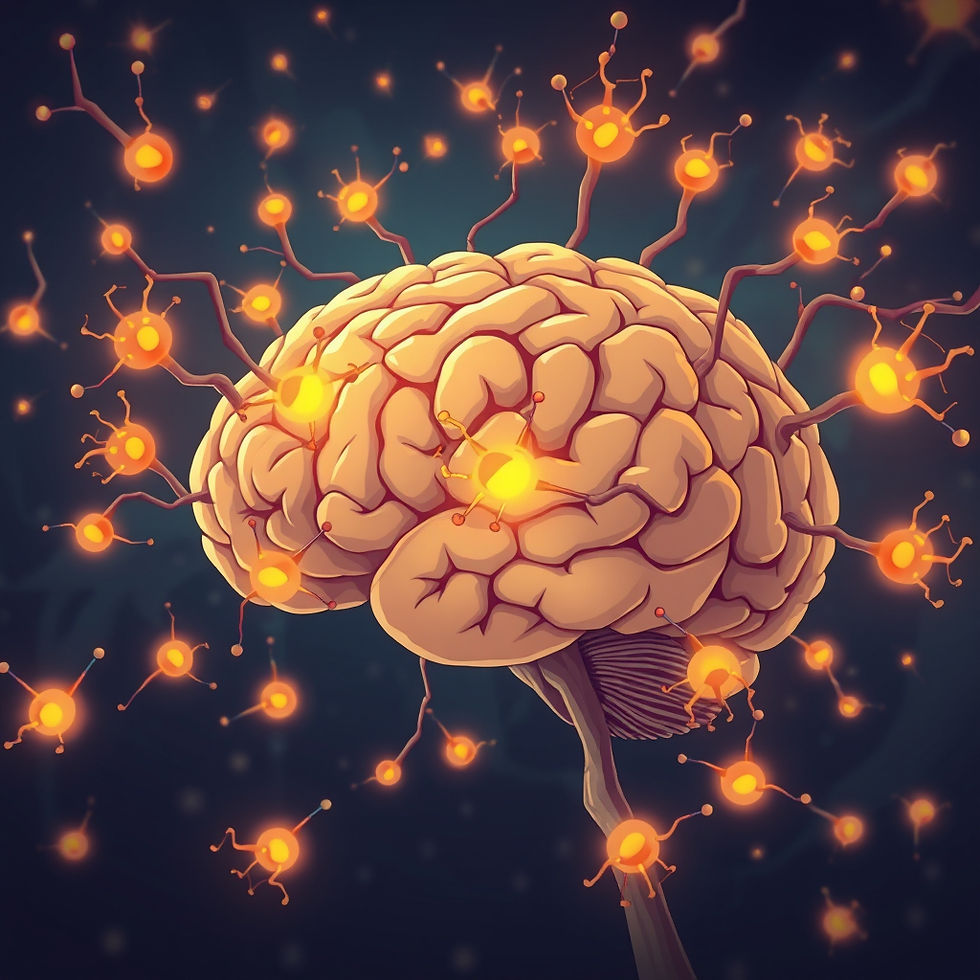
When we experience stress, the brain releases chemicals such as adrenaline and cortisol as part of the body’s “fight or flight” response. This release triggers several changes within the body, including an increased heart rate, muscle tension, faster breathing, and raised blood pressure. Essentially, these reactions are the body’s way of protecting us and are usually activated when the brain believes there is an imminent threat.
What many people find interesting is that the brain cannot always differentiate between an actual threat and a perceived threat. An actual threat might involve facing something physically dangerous, whereas a perceived threat could be worrying about a situation that has not happened, or may never happen at all.
Have you ever wondered why we can experience such an intense physical reaction while watching a horror film? Personally, I feel on edge for a good 12 hours after watching one, while others seem to thrive on the adrenaline rush. This is a simple example of how the brain can misinterpret perceived threats as actual dangers, triggering the same stress response in the body.
What this also tells us is that the brain can be easily activated by perceived threats, meaning the fight or flight response is something many people experience regularly, and sometimes without even realising it.
It is also important to note that stress does not always look like panic or overwhelm. Sometimes it can present as emotional numbness, lack of motivation, procrastination, withdrawal, or feeling mentally and physically stuck. This is often referred to as the freeze response, where the mind and body become overwhelmed by prolonged pressure and begin conserving energy as a protective mechanism. At times, the brain may choose the freeze response as the safest form of protection.
How does stress affect the body?
While everyone experiences stress differently, common stressors include work pressures, financial concerns, relationship difficulties, health concerns, family responsibilities, and lack of sleep or downtime.
Stress can affect many areas of the body and often shows up differently from person to person. Some people notice tension in their shoulders and neck, while others experience disrupted sleep, digestive issues, low energy levels, or difficulty switching off mentally.
Prolonged stress can also weaken the immune system, meaning we may become more vulnerable to illness or take longer to recover when unwell.
Sleep is commonly impacted by stress. When the mind is constantly busy or alert, it can become difficult to properly relax at night. Poor sleep can then contribute to irritability, low mood, reduced concentration, and lower energy levels, creating a cycle where stress and exhaustion continue to feed one another. This is why rest and recovery are so important when managing stress effectively.
The mind and body are constantly communicating with one another, which is why emotional stress often shows up physically before we fully recognise what is happening emotionally. Additionally, long-term stress can leave the nervous system in a prolonged state of alert, making it difficult for the body and mind to fully rest and recover.
What is the Pressure Cooker Model of Stress?

One helpful way to understand stress is through use of the Pressure Cooker Model of Stress. This model explains the build-up of pressure over time and the impact of this when there is no healthy release.
Imagine the human mind and body as a pressure cooker. The pressure building inside includes all of life’s demands, such as work deadlines, paying bills, running family errands, additional responsibilities, and emotional struggles. The more pressures added, the more stress builds inside the cooker. If this pressure continues to rise without relief, eventually the cooker becomes overloaded.
Healthy coping strategies act as the safety valve on the pressure cooker, releasing pressure before it becomes dangerous. These may include exercise, talking to family and friends, relaxation techniques, hobbies, sleep and rest, and professional support. Without these outlets, pressure continues to build.
Sometimes people believe they are coping because they continue functioning day-to-day, but constantly pushing through stress without pause can eventually lead to emotional and physical burnout. Many people do not recognise the impact until their mind or body begins signalling that something needs to change. This is why recognising stress early and responding proactively is so important.
So, what happens if the pressure is not released? When stress is ignored for too long, the “pressure cooker” can eventually overflow or break down. This may appear as burnout, exhaustion, panic attacks, high blood pressure, stress-related illnesses, or mental health difficulties.
The Pressure Cooker Model highlights an important message: stress itself is not always the problem, because stress is an inevitable part of life. It is unmanaged pressure that becomes harmful over time.
What are the common signs of stress?
Often, the body gives subtle warning signs that stress levels are becoming difficult to manage. This may present through changes in sleep, energy levels, mood, physical tension, motivation, or general wellbeing.
Furthermore, in today’s fast-paced world, many people spend large portions of the day in a heightened state of alert without realising it, moving from one demand to another with little opportunity to properly rest and recover. Social media comparisons, constant notifications, pressure to always be productive, and lack of boundaries between work and home life can all add to this daily pressure.
While stress may be unavoidable, learning to recognise and manage it effectively can have a powerful impact on our overall wellbeing. Small, consistent changes can make a significant difference over time. Taking a few moments each day to check in with yourself emotionally and physically may help identify rising pressure before it becomes overwhelming.
When should you seek support for stress?
Many people live with high levels of stress for long periods without recognising the impact it is having on their body, relationships, mood and daily functioning. Over time, chronic stress can contribute to burnout, anxiety, emotional exhaustion and reduced quality of life, highlighting the importance of recognising stress early and seeking support when needed.
While occasional stress is a normal part of life, ongoing stress that begins impacting sleep, relationships, work, motivation or physical wellbeing may be a sign that additional support is needed. Many people wait until they feel completely overwhelmed before reaching out, but early support can help prevent stress from developing into burnout, anxiety or longer-term mental health difficulties.
If you are struggling with stress, burnout or overwhelm and would like support, therapy including Cognitive Behavioural Therapy can provide a safe space to better understand your experiences and develop healthier coping strategies.
Have you considered what may be adding pressure to your pressure cooker and how this may be impacting you physically?
Have you explored what strategies act as the safety valve for your pressure cooker?
Are you using healthy coping strategies to manage stress?
Is there anything you need to change or reassess to help you manage stress more effectively?
For more information and support on managing stress and doing things differently, please reach out.


Comments